SUTO has also established 10 eco-clubs focused on educating children and young adolescents about climate change and encouraging them to take climate action from an early age. The organisation believes that these eco-clubs are shaping the next generation of climate change advocates.
In addition to social impact, SUTO has contributed to the green economy by empowering different youth groups through training in green livelihoods. Five groups have successfully ventured into waste management, bio-gas production, tree seedling nurseries, and the use of water hyacinths to create household and office items, such as light bulb shades and pen holders. These initiatives have created over 300 jobs in waste collection, segregation, tree seedling sales, water hyacinth harvesting, and value addition. Moreover, these efforts have played a role in saving Lake Victoria from micro-plastic pollutants and over-fertilization, benefiting both the lake ecosystem and local communities
By training youth on green economy concepts, we have identified various green income-generating activities, providing employment opportunities for 300 young individuals, both male and female
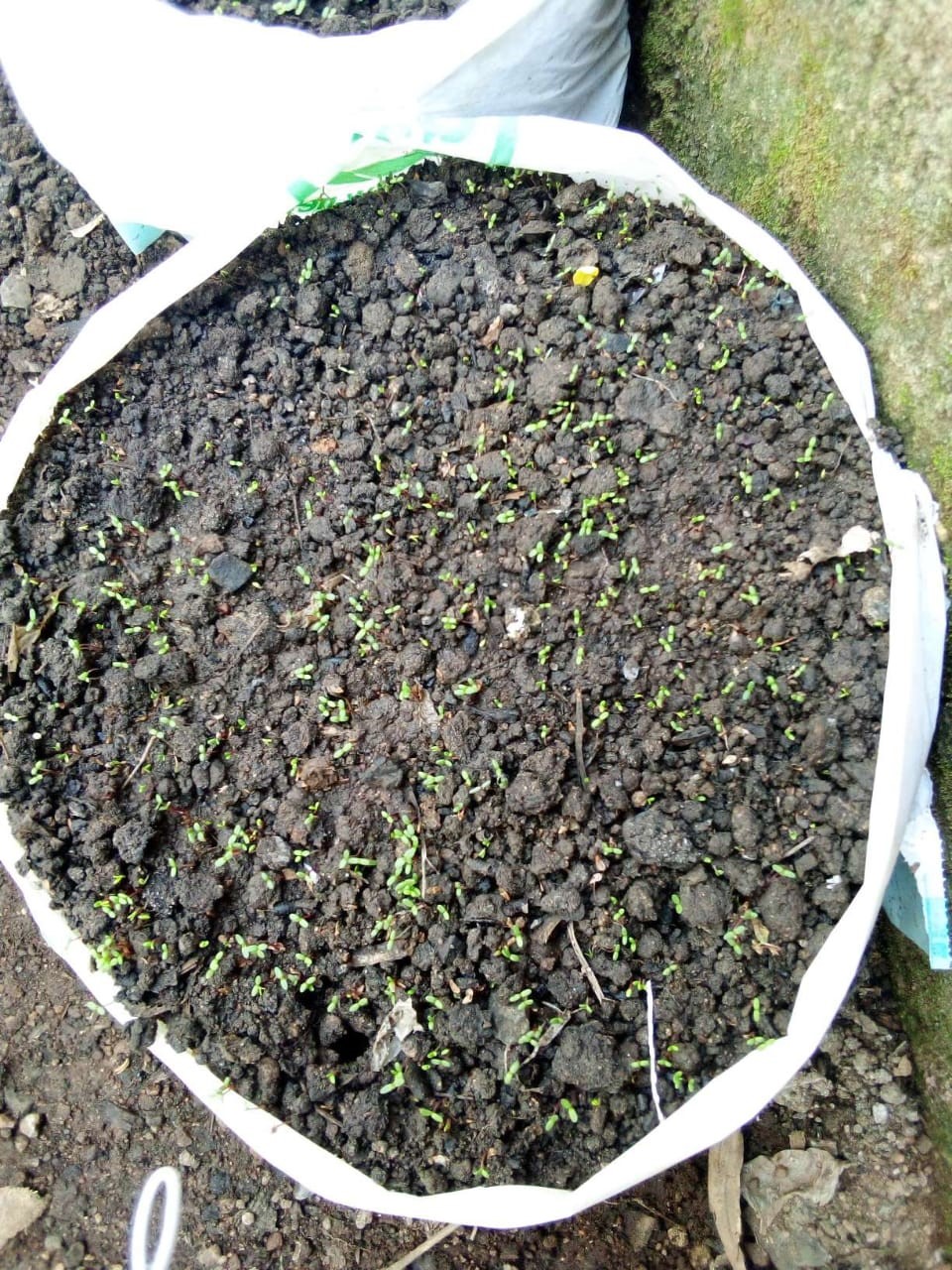
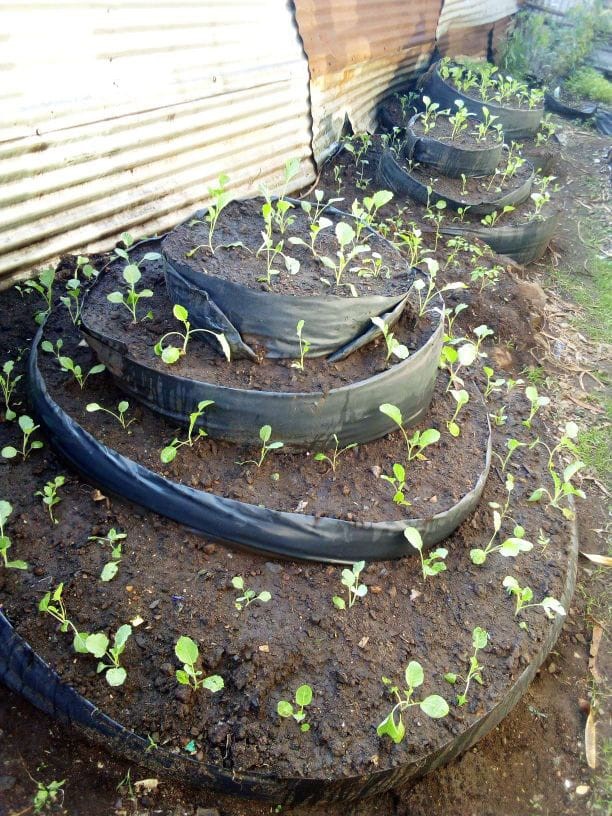
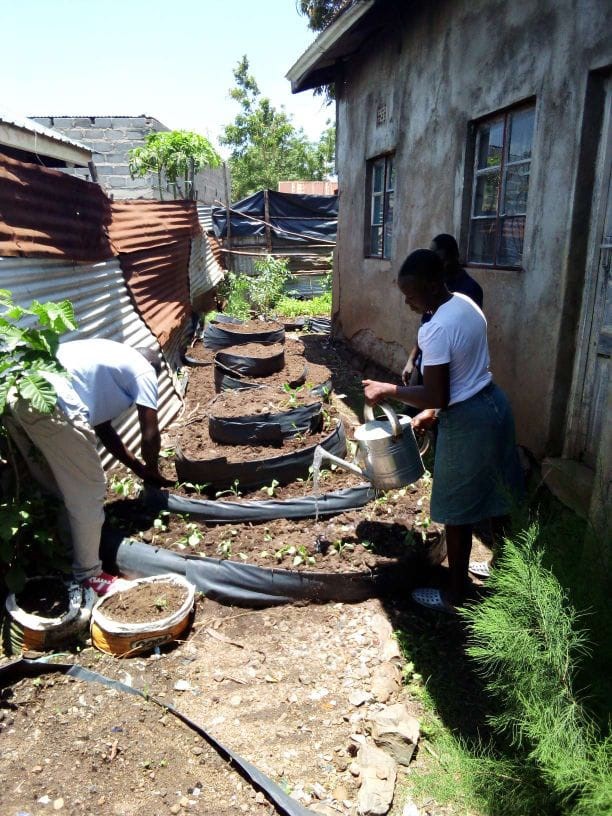
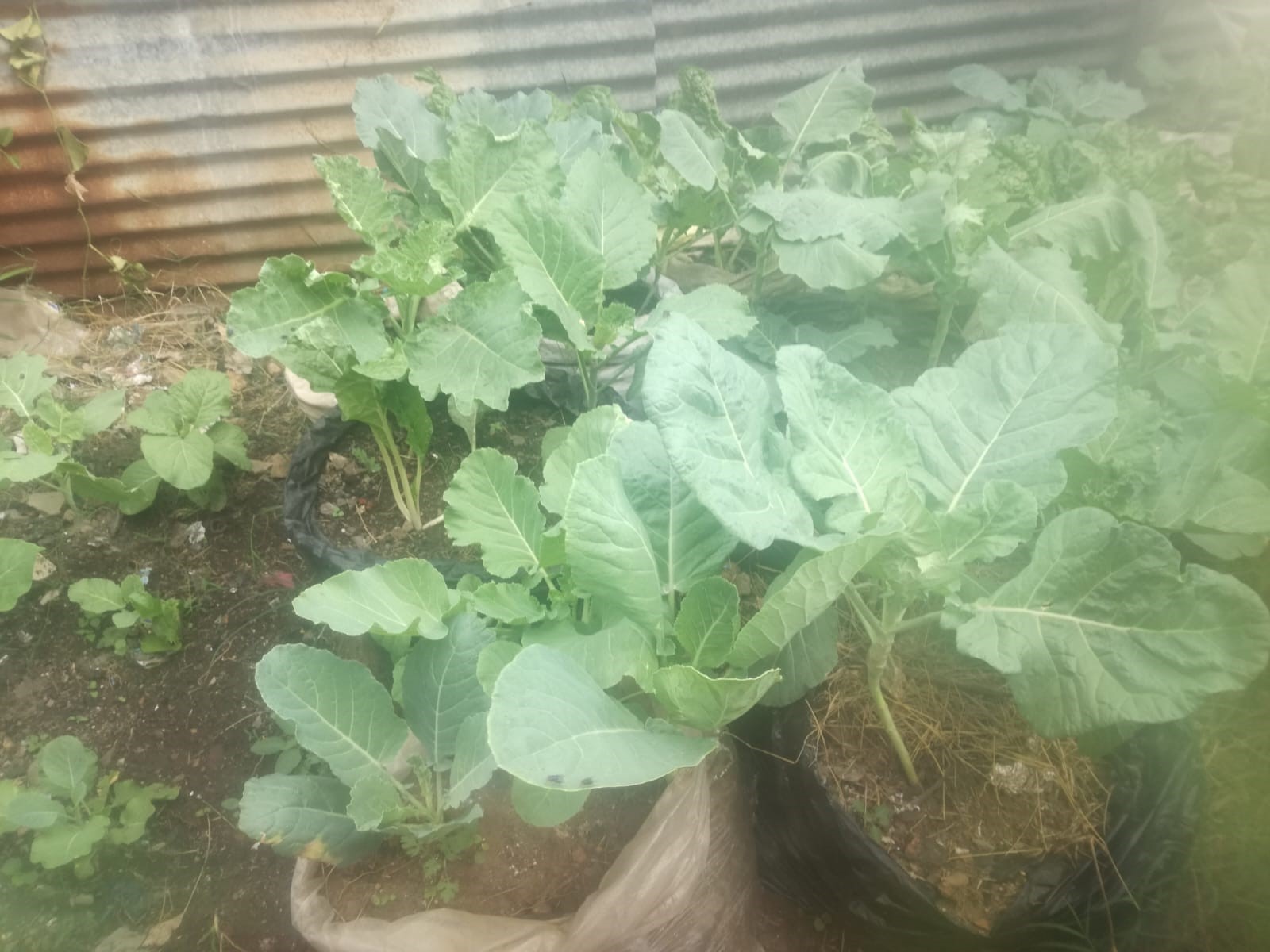
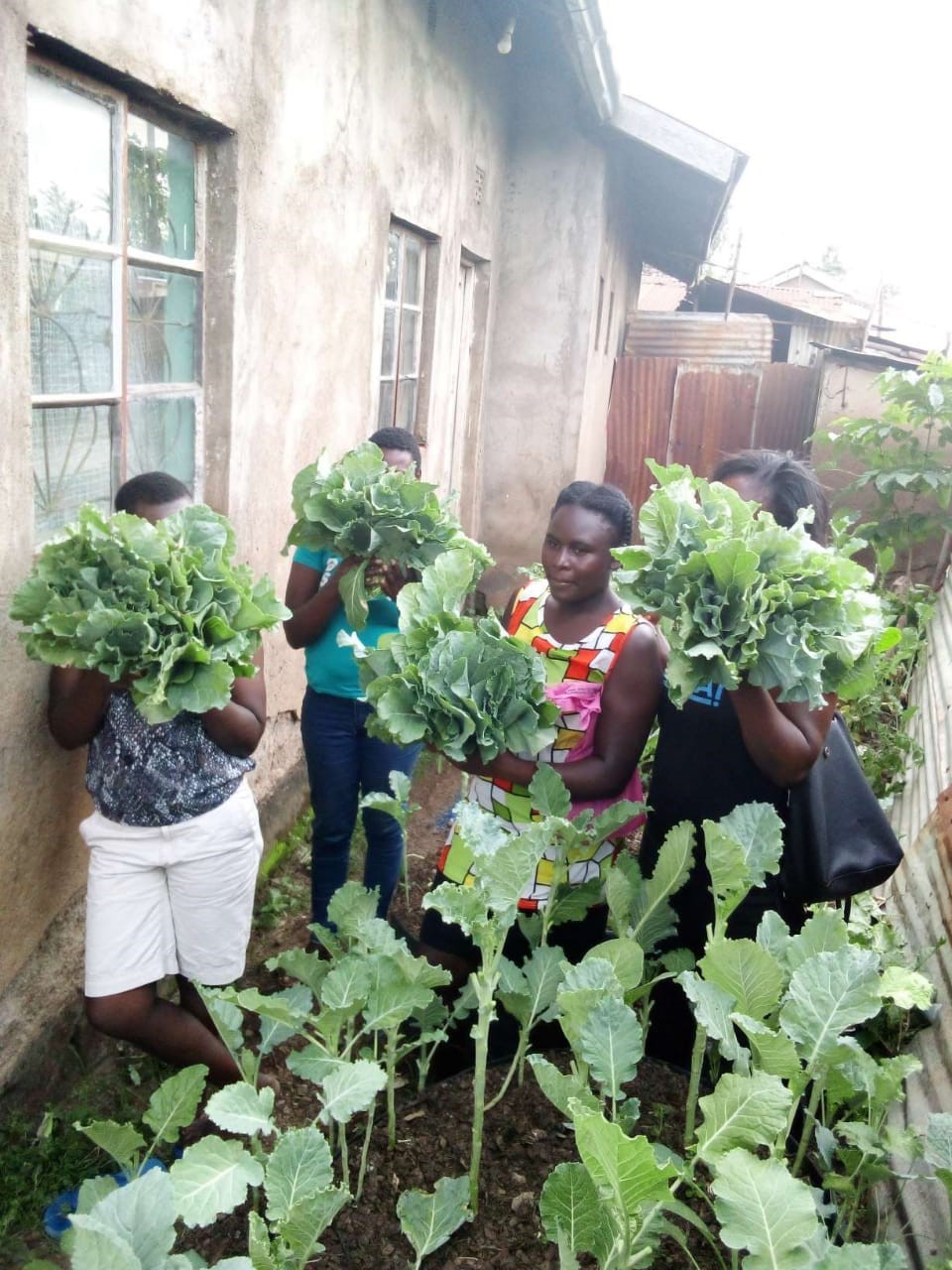
Moreover, we have empowered three women groups to engage in vertical farming, ensuring a stable food supply for 60 households. These women also sell surplus produce in their small-scale retail vegetable shops, leading to consistent and increased contributions to their groups. The enhanced income levels have positively impacted these households, reflected in improved school attendance for their children.
Furthermore, we have inspired greater involvement of young people in climate change mitigation efforts through waste collection and drainage cleaning campaigns held quarterly in collaboration with youth from specific areas such as Nyalenda, Manyatta, and Kondele. Click to read more for our outcomes and report